Handcuff SVG Review: A Designer's Take on Edgy Embroidery
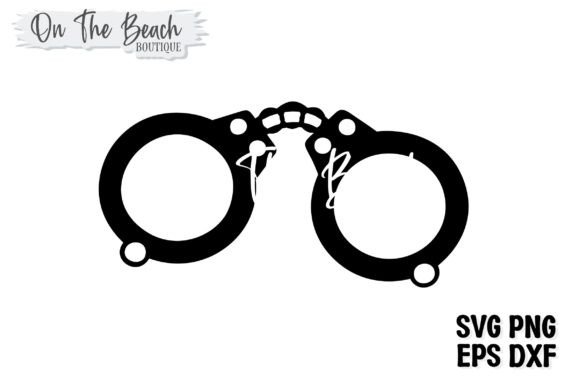
When I first pulled up the Handcuff SVG on my screen, my immediate reaction wasn't just about the shape; it was about the attitude. In the world of modern crafting, especially within the Crafts and Graphics sectors, we are constantly looking for designs that break the mold of traditional florals and cute animals. This design brings a bold, slightly rebellious energy that feels perfect for specific niches. As an experienced designer who has stitched thousands of machine embroidery design files, I look past the preview image to imagine how the lines will translate into thread. The silhouette is clean, which is the first green flag. Complex, overly detailed vector paths often turn into a nightmare of thread breaks and bird nests, but this file appears to have a streamlined geometry that suggests it will stitch out smoothly.
Visual Personality and Project Fit
The mood of this embroidery file is unmistakable. It leans into the "bachelorette party," "true crime enthusiast," or "edgy streetwear" aesthetic. When evaluating a design like this, I immediately start brainstorming where it belongs. It isn't a subtle accent for a baby blanket; it is a statement piece. I can see this working exceptionally well as a central motif on a black tote bag or the chest pocket of an oversized denim jacket. The visual personality is strong enough to stand alone without needing excessive embellishment. For an Etsy seller looking to diversify their small shop product line beyond standard monograms, this offers a chance to tap into a different demographic. It feels like a design that would sell well as part of a collection for bachelorette weekends or as a humorous gift for law enforcement supporters with a sense of irony.
Real-World Application: The Bachelorette Tote Scenario
To truly test the viability of the Handcuff SVG, let's walk through a real-life scenario. Imagine a client orders a set of five matching tote bags for a bachelorette party. They want something fun but durable enough to carry souvenirs. I would choose a heavy-weight canvas for the base fabric. Canvas provides the stability needed for a design with distinct corners and curves like handcuffs. Using a cut-away stabilizer is non-negotiable here; we need to ensure the structure of the metal links doesn't distort after the bag is loaded with items.
In this context, the finished product needs to look professional, not homemade in a sloppy way. The clean lines of the SVG allow for a tight satin stitch border or a dense fill stitch interior. If I were using metallic thread to mimic the steel of actual handcuffs, the simplicity of the design ensures the shine of the thread is the star, rather than getting lost in complex detailing. This kind of custom apparel or accessory project relies heavily on the clarity of the digital file. If the curves are jagged in the vector, they will look terrible in thread. Fortunately, this design seems to prioritize smooth transitions, which is critical for maintaining that sleek, industrial look.
Technical Considerations for Stitching
While the aesthetic is strong, we must discuss the technical execution. Every digital embroidery file has its quirks. With a shape like handcuffs, the inner circles and the locking mechanism areas are potential trouble spots. These are small, enclosed spaces that require precise tension control. If you are planning to use this as an applique design, perhaps layering a faux-leather material over the fabric, the SVG format is ideal for cutting the base shape. However, if you are stitching directly onto fabric, pay close attention to the stitch density.
Dense stitching on stretchy fabrics, like a thin cotton t-shirt, can cause puckering. The weight of the thread pulling on those circular elements might warp the fabric over time. Therefore, I recommend testing this on scrap fabric first, specifically the same material you intend to use for the final handmade product. Check how the machine handles the sharp angles where the cuff meets the chain. Some machines struggle with abrupt direction changes, so slowing down the speed in those sections might be necessary. Also, consider the hoop size. While the design likely fits in a standard 4x4 hoop, ensure you have enough room around the edges for proper hooping tension, especially if you are working on curved surfaces like caps.
Fabric Choices and Color Contrast
The success of the Handcuff SVG heavily depends on your choice of thread colors and fabric texture. On a dark navy sweatshirt, a silver or light grey thread will pop beautifully, creating that realistic metal effect. Conversely, stitching this in neon pink on a white background shifts the vibe entirely to something more playful and less literal. This versatility is a huge plus for commercial embroidery projects where you need to adapt one design for multiple clients.
Be cautious with textured fabrics like Terry cloth or heavy wool. The fine details of the lock mechanism might get lost in the loops of the towel or the nap of the wool. For a kitchen towel or a cozy blanket, you might need to simplify the design or increase the stitch width to ensure visibility. Always compare light and dark fabric backgrounds before committing to a large batch. A design that looks crisp on white linen might vanish against a charcoal heather grey if the contrast isn't managed correctly.
Business Value and Brand Consistency
For creative entrepreneurs and craft business owners, the value of a design isn't just in how it looks, but how it sells. The Handcuff SVG has high recognition factor. It is instantly identifiable, which aids in buyer engagement. When customers scroll through an online shop, they stop for images they understand immediately. This design supports brand consistency if your shop focuses on bold, modern, or novelty items. It adds a layer of professionalism to your printable mockup portfolio because the shapes are distinct and photograph well.
However, trust is built on quality. If the stitching frays or the shape distorts after a wash, customer trust evaporates. This is why reviewing the file details is crucial. The product description notes that you will receive SVG, PNG, EPS, and DXF formats, ready for use with Cricut and Silhouette machines. While these are primarily cutting machine formats, many embroiderers use them to create applique templates or stencils. If you are looking for a native embroidery file (like PES or DST) with pre-digitized stitch types, verify if those are included or if you need to digitize it yourself using these vectors. Never assume license terms; always confirm whether the file allows for unlimited personalized gift creation or if there are restrictions on selling the design assets themselves.
Final Verdict for Makers
In conclusion, the Handcuff SVG is a versatile tool for the modern maker. It bridges the gap between edgy graphic design and tactile textile art. Whether you are creating a holiday embroidery gift for a true crime fan or stocking your booth at a craft fair with unique patches, this design holds up under scrutiny. Just remember to respect the materials. Use the right stabilizer, choose your thread wisely, and always test before you commit to production. With the right approach, this simple graphic can become a standout piece in your collection of embroidery project successes.