Review: My Kitchen My Rules Cutting Board SVG for Embroidery
As a designer who spends more time staring at stitch simulations than I do cooking, I approach every new digital embroidery file with a mix of curiosity and skepticism. We have all downloaded a cute graphic only to realize it falls apart the moment the needle hits the fabric. Today, I am taking a close look at the My Kitchen My Rules – Cutting Board SVG. While this asset is marketed broadly under Crafts and Graphics, my interest lies specifically in its potential as a functional machine embroidery design for real-world products.
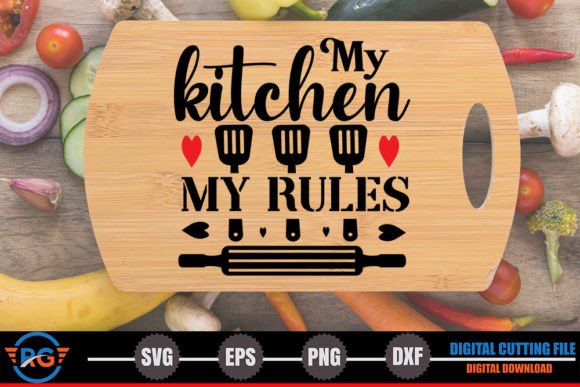
The first impression of this design is one of playful authority. The phrase "My Kitchen My Rules" carries a confident, slightly sassy mood that resonates well with home cooks and professional chefs alike. Visually, the layout suggests a clean, modern aesthetic. When evaluating an embroidery project, the visual personality of the artwork dictates where it belongs. This particular piece feels right at home on items meant for daily utility rather than delicate display. It screams "workhorse," making it an ideal candidate for heavy-use kitchen textiles.
Real-World Application: The Custom Apron Scenario
To truly test the viability of this design, I imagined a specific client request: a custom embroidered apron for a local boutique bakery. The owner wanted something that looked professional yet approachable for her staff. Here is where the My Kitchen My Rules – Cutting Board SVG shines. Because the concept revolves around a cutting board, the shape naturally lends itself to rectangular or square placement areas, such as the chest pocket of an apron or the center of a tea towel.
If I were digitizing this myself or adapting the provided files, I would lean heavily into texture. A flat fill stitch might look too digital and stiff. Instead, envisioning this as a finished product, I see an opportunity to use a textured fill to mimic the grain of wood, paired with crisp satin stitch lettering for high readability. The contrast between the rustic background implication and the bold text creates a tactile experience that customers love. For an Etsy seller or small shop owner, this distinction is what turns a generic item into a premium handmade product.
Beyond aprons, this design translates exceptionally well to tote bag design concepts. Imagine a heavy canvas tote used for farmer's market runs. The bold statement works perfectly there, offering a bit of humor while carrying groceries. It also fits nicely on sweatshirt embroidery projects, particularly for culinary students or food bloggers who want casual, branded apparel. The versatility allows it to cross over from strict kitchen use into lifestyle custom apparel.
Technical Considerations for Stitching Clarity
While the artistic potential is high, we must address the technical realities of turning an SVG into thread. The source files include SVG, EPS, DXF, and PNG formats. It is crucial to understand that these are vector and image files, not pre-digitized stitch files. Before loading this into your machine, you must digitize it or have it converted into a format your embroidery software recognizes. This step is non-negotiable for maintaining quality.
When planning the digitization, stitch density becomes a primary concern. If the "cutting board" element is filled too densely, it can cause puckering, especially on thinner fabrics like cotton tea towels. Conversely, if the density is too low, the fabric underneath might show through, ruining the solid look. I recommend testing on scrap fabric first. Check how the design behaves on both woven and knit materials. For stretchy fabrics like those used in t-shirts, a proper stabilizer is mandatory to prevent distortion during washing.
Another critical factor is the hoop size. Depending on how large you intend to stitch the final design, ensure your machine's hoop can accommodate the width of the text and the graphic combined. If you are aiming for a small embroidered patch application, you may need to simplify the details. Tiny lettering can easily become unreadable if the stitches are too thick or if the design is scaled down too far. Always inspect small details in your software preview before committing to the hoop.
Navigating Fabric Textures and Colors
The success of the My Kitchen My Rules – Cutting Board SVG heavily depends on your choice of thread colors and fabric texture. On a dark fabric, such as a navy blue chef's coat, you will need high-contrast thread colors to make the text pop. Light creams or bright whites against dark backgrounds create a classic, legible look. However, on light-colored linens, you might opt for earth tones—browns, tans, and sage greens—to enhance the "wooden board" illusion.
Be cautious with textured fabrics like waffle weave or heavy terrycloth. The uneven surface can interfere with the clarity of the running stitch outlines or fine details within the graphic. In these cases, using a topping stabilizer can help the stitches sit cleanly on top of the loops without sinking in. Additionally, consider the end user's habits. Kitchen items undergo frequent washing. Ensure your stitch paths are secure and that any satin columns are wide enough to withstand abrasion without fraying over time.
Enhancing Brand Value and Customer Trust
For creative entrepreneurs, the choice of design assets directly impacts brand perception. Using a well-thought-out graphic like this signals attention to detail. When a customer receives a personalized gift featuring clear, crisp stitching and a relevant message, it builds trust. They perceive the item as high-quality and thoughtful. This is essential for commercial embroidery projects where repeat business relies on satisfaction.
The "My Kitchen My Rules" theme also taps into the popular trend of personalized home goods. Whether it is a holiday embroidery gift for a hostess or a wedding present for a couple moving into their first home, the relatable message adds emotional value. It transforms a simple piece of cloth into a conversation starter. For printable mockup creators, this design offers excellent potential for showcasing realistic product previews, helping buyers visualize the final result before purchase.
Final Verdict and Designer Notes
In conclusion, the My Kitchen My Rules – Cutting Board SVG is a versatile asset with strong potential for various craft business applications. Its strength lies in its clear message and adaptable shape. However, its success as a physical product depends entirely on the execution of the digitization and the choice of materials.
Before launching this as a small shop product, keep these practical notes in mind:
- Test extensively: Always stitch out on scrap fabric similar to your final product to check tension and registration.
- Check licensing: Since this is a downloadable graphic, confirm the license terms regarding commercial use before selling finished items or digital derivatives.
- Mind the details: If scaling down for caps or small patches, simplify the interior details of the cutting board graphic to maintain clarity.
- Contrast is key: Ensure your thread choices provide sufficient contrast against the fabric background for maximum readability.
- Stabilize properly: Kitchen textiles often face moisture and heat; use cut-away stabilizers for long-lasting durability on frequently washed items.
By treating this SVG not just as a picture but as a blueprint for a tactile experience, you can create finished products that stand out in a crowded market. Whether you are decorating baby embroidery items for a shower or creating stock for a boutique, this design offers a solid foundation for creativity, provided you respect the technical limits of the medium.