Review: Save the Bees T Shirt Design Vector SVG for Stitchers
As a designer who spends more time staring at stitch simulations than actual sunlight, I approach every new digital embroidery file with a mix of curiosity and skepticism. When I first pulled up the Save the Bees T Shirt Design Vector SVG, my initial reaction wasn't just about the cute factor; it was about viability. We see a lot of "save the bees" motifs floating around the Crafts and Graphics marketplaces, but turning a vector intended for planners or scrapbooking into a durable, professional machine embroidery design requires a keen eye for detail. This isn't just about slapping an image onto a hoop; it's about translating a flat graphic into a textured, thread-based reality that holds up to washing and wearing.
First Impressions and Visual Personality
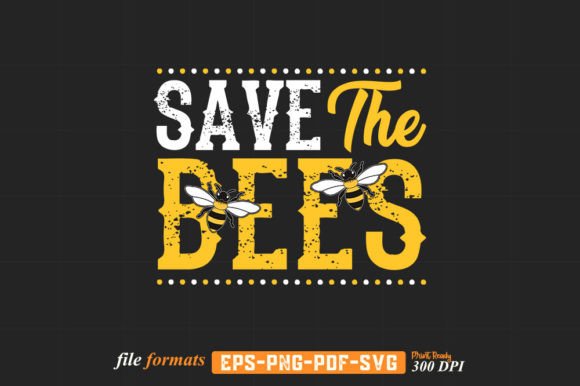
The mood of this design is undeniably cheerful and advocacy-driven. It carries that specific kind of gentle urgency that resonates well with eco-conscious consumers. Visually, the layout feels balanced, likely featuring a central bee motif surrounded by typography or floral accents. For an embroidery project, the shape is crucial. If the original Graphics file relies heavily on tiny, intricate lines meant for high-resolution printing, those details can get lost when converted to satin stitch or fill stitch. However, if the silhouette is bold and clean, it translates beautifully into thread. The visual personality suggests a design that belongs on soft, natural fabrics where the texture of the thread can enhance the organic theme rather than fight against it.
Real-World Application: The Boutique Tote Scenario
To truly test the worth of the Save the Bees T Shirt Design Vector SVG, I imagined a specific real-life scenario: a local farmer's market vendor needing branded merchandise. Picture a custom tote bag design made from heavy canvas. This is a perfect use case. Canvas provides the stability needed for dense stitching, and the tote's flat surface eliminates the headaches associated with curved items like caps. In this context, the design acts as a statement piece. A customer walking through a market sees the bee, connects with the environmental message, and appreciates the tactile quality of the embroidered patch feel. It elevates a simple bag into a handmade product with a story.
Alternatively, consider sweatshirt embroidery for a boutique shop. Fleece or French terry cloth offers a lovely backdrop, but here is where the designer must be careful. If the vector has too much fine detail, the loops of the fleece can swallow the stitches, making the design look muddy. The Save the Bees T Shirt Design Vector SVG would need to be simplified or digitized with larger stitch areas to ensure clarity on textured fabrics. For a personalized gift, such as a baby onesie, the scale becomes critical. Baby embroidery requires delicate handling; the design must be small enough to fit on a chest panel but large enough that the stitches don't pucker the thin fabric.
Navigating Technical Challenges
While the aesthetic is strong, practical application reveals potential pitfalls. One major consideration is stitch density. Vector files designed for print often assume infinite resolution. When adapting this for embroidery, we must ensure the fill stitch areas aren't so dense that they cause the fabric to warp or the needle to break. This is especially true for stretchy fabric like jersey knits used in t-shirts. Without a proper stabilizer—likely a cut-away for durability—the design could ripple after the first wash.
Another challenge lies in the lettering. If the design includes the phrase "Save the Bees," the font size relative to the bee illustration matters. Tiny lettering is the enemy of embroidery. If the vectors for the text are too small, they cannot be rendered in satin stitch effectively and may need to be switched to a simpler running stitch or removed entirely for smaller hoop applications. Furthermore, working on dark fabric requires thoughtful thread colors. A standard yellow bee might vanish against a navy background unless underlay stitches or a white outline are utilized to create contrast. Always test your embroidery file on scrap fabric that matches your final material before committing to a production run.
Commercial Viability and Brand Trust
For the Etsy seller or small shop product creator, the quality of the finished stitch directly impacts brand consistency. A sloppy, puckered bee design tells the customer you don't care about quality. Conversely, a crisp, well-digitized version of the Save the Bees T Shirt Design Vector SVG builds customer trust. It signals professionalism. When selling custom apparel or holiday embroidery gifts, the perceived value is tied to the execution. Does the thread shine appropriately? Are the edges clean? These factors determine whether a buyer engages with your printable mockup online or walks past your booth at a craft fair.
It is also vital to consider licensing. Since the source material is described as a printable design for planners and cards, you must verify if the license allows for commercial commercial embroidery projects. Just because you can buy a design asset doesn't always mean you can sell the physical stitched outcome. Always read the terms regarding craft business usage to avoid legal headaches down the line.
Designer Notes for Success
Before launching into production with this design, keep these practical steps in mind:
- Test on Scraps: Never skip the trial run. Stitch the design on the exact fabric weight you plan to use for the finished product.
- Check Contrast: View your design in black and white to ensure the shapes stand out without relying solely on color.
- Review Density: If the design feels stiff or causes puckering, reduce the fill density in your digitizing software.
- Confirm Hoop Size: Ensure the design fits comfortably within your available hoop size without needing excessive re-hooping, which can lead to misalignment.
- Inspect Details: Zoom in on small corners and text. If they look jagged in the preview, they will look worse in thread.
- Stabilizer Selection: Match your stabilizer to the fabric. Woven items might only need tear-away, but knits and towels demand cut-away support.
Ultimately, the Save the Bees T Shirt Design Vector SVG holds significant potential for creating meaningful, marketable goods. Whether it ends up on a kitchen towel, a pillow cover, or a trendy cap, its success depends on the translator—the designer who understands how to bridge the gap between a digital graphic and a tangible, stitched reality. With careful preparation and an eye for textile limitations, this design can become a staple in your embroidery project portfolio.