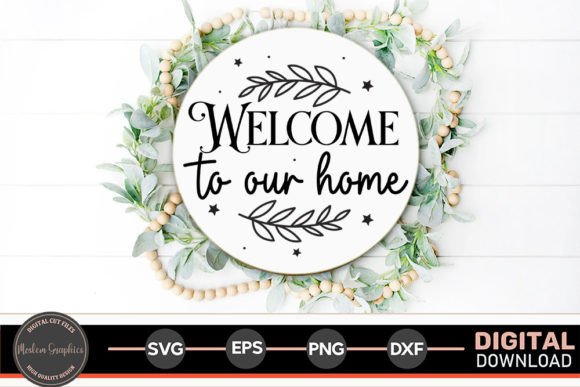
Review: Welcome to Our Home Sign SVG for Embroidery
As a designer who spends more time at the hoop than away from it, I approach every new digital embroidery file with a mix of curiosity and caution. We have all downloaded a beautiful graphic only to realize it falls apart the moment the needle hits the fabric. Today, I am taking a close look at the Welcome to Our Home - Home Sign Svg. This isn't just a critique of the vector lines; it is an evaluation of how this design translates from a screen into a tangible, stitched handmade product that you can sell or gift with confidence.
First Impressions and Visual Personality
When I first opened the zip file containing the SVG, PNG, EPS, and DXF formats, my immediate thought was about the mood. A "Welcome" sign carries a heavy emotional weight; it sets the tone for a home. The layout of this specific design feels warm and inviting without being overly cluttered. For an embroidery project, clarity is king. The shapes appear distinct enough to handle translation into thread, which is crucial. Unlike some overly intricate Graphics found in the Crafts category that rely on tiny gradients impossible to stitch, this design seems to rely on strong silhouettes and readable typography.
The visual personality suggests versatility. It doesn't scream "rustic farmhouse" so loudly that it alienates modern decor, nor is it so minimalist that it lacks character. This balance makes it a strong candidate for a wide range of applications, from boutique branding to personal gifts.
Real-World Application: The Tote Bag Test
To truly understand the value of the Welcome to Our Home - Home Sign Svg, I imagined a specific real-life scenario: creating a custom housewarming gift. Picture a heavy-duty canvas tote bag design intended for a client moving into their first home. This is a common request for Etsy sellers and small shop owners during the spring and summer moving seasons.
In this context, the design needs to hold up against the texture of canvas. If the lettering is too thin, it gets lost in the weave. If the elements are too close together, the threads bridge and create a messy look. Based on the file structure, this design appears robust enough for a medium-to-large hoop application. When stitched as a finished product on a tote, the "Home Sign" aesthetic acts as a focal point. It elevates a simple utility item into a personalized statement piece. Customers reacting to this would likely appreciate the sentimentality combined with the utility, increasing the perceived value of your craft business offerings.
Navigating Fabric Challenges and Stitch Density
While the design shows promise, practical execution requires careful planning regarding fabric and technique. One of the most critical aspects of using any machine embroidery design is understanding how it interacts with different materials.
- Textured Fabrics: On items like waffle-knit kitchen towels or rough linen pillow covers, the details of the sign need to be bold. If the original SVG has hairline strokes, they may disappear. You might need to adjust the stroke width in your digitizing software before stitching.
- Stretchy Materials: If you plan to use this on a sweatshirt or baby clothes, stability is key. A design with solid fill areas can cause puckering on knit fabrics if not properly stabilized. Always use a cut-away stabilizer for garments that will be washed frequently.
- Dark Fabrics: The contrast of thread colors becomes vital here. Since this is a "sign" concept, ensure your thread colors pop against navy or black backgrounds. A light cream or gold thread often works better than stark white for a warmer, high-end look.
- Curved Surfaces: Applying this to a cap is tricky. The center of a "Home Sign" graphic usually sits right on the curve of the crown. Ensure the design isn't too wide, or it will distort around the sides of the hat.
Technical Considerations for the Maker
Before committing to a production run, there are several technical checks every professional should perform. Since the product description confirms the inclusion of SVG, PNG, EPS, and DXF files, you have the flexibility to manipulate the design. However, remember that these are vector graphics, not pre-digitized stitch files unless specified otherwise by the seller. You will likely need to import these into your embroidery software to assign stitch types.
Consider the following steps for optimal results:
- Stitch Type Selection: Decide between a satin stitch for the text to give it a premium, shiny finish, or a fill stitch for larger graphical elements to ensure durability. A running stitch might work for delicate outlines but offers less coverage.
- Density Check: Review the stitch density in your software. Too dense, and the fabric becomes stiff; too sparse, and the backing shows through. Aim for a balance that allows the fabric to drape naturally, especially for apparel.
- Mockup Testing: Create black and white mockups first. This helps you see if the design relies too heavily on color for definition. A good design should be recognizable even in a single thread color.
- Scrap Fabric Trial: Never skip the test stitch. Run the design on a scrap piece of the actual material you intend to use. This reveals issues with pull, registration, and thread breaks before you ruin a client's garment.
Commercial Viability and Brand Consistency
For commercial embroidery professionals and digital product sellers, consistency is the backbone of brand trust. The Welcome to Our Home - Home Sign Svg offers a standardized look that can be replicated across different products. Whether you are making an embroidered patch for a local real estate agent's closing gifts or a series of holiday embroidery items for a boutique, the design maintains its integrity.
Using a cohesive design asset like this helps in building a recognizable catalog. When customers see your work, they begin to associate that specific style of typography and layout with your brand. This recognition drives repeat business. Furthermore, because the file formats provided (SVG, EPS, DXF) are industry standards, integrating this into your existing workflow for creating printable mockups or digital previews is seamless.
Final Verdict for Designers
The Welcome to Our Home - Home Sign Svg is a versatile asset that bridges the gap between digital convenience and tactile craftsmanship. Its strength lies in its adaptability; it works equally well as a centerpiece on a pillow cover or a subtle accent on an apron. However, its success depends entirely on the skill of the maker to translate those vector lines into appropriate stitch structures.
Remember to verify the licensing terms before selling finished items or digital derivatives. While the files are ready for use in various cutting machines and design software, commercial rights for embroidery specifically should always be confirmed. By paying attention to hoop size limitations, choosing the right stabilizer, and selecting high-quality threads, you can turn this simple graphic into a high-value personalized gift or a best-selling small shop product. In the world of handmade goods, it is not just about the file you download, but the care you put into the stitching that defines the final quality.